Across the High Valleys, Hands Keep History Alive

Today we share vivid profiles of Alpine artisans preserving heritage techniques, stepping into bell foundries warmed by embers, woodcarvers’ benches scented with resin, lace-makers’ pillows set beside frost-bright windows, and stone cellars humming with cheese cultures. Expect intimate conversations, field notes, and sensory detail that honor perseverance, community memory, and the subtle wisdom taught by altitude, weather, and time.

Workshops at the Edge of Sky

The Bellfounder’s Ember
In a Valais workshop, molds are packed with earth and straw, and bronze blooms from the furnace with a glow that hushes conversation. The founder listens for harmonics the way shepherds study weather, seeking tones that travel valleys without shouting. When a herd moves in autumn, villagers name bells by ear, remembering which ring steadied anxious calves or welcomed travelers through fog. Metal, fire, and listening become guardians of arrival, departure, and return.

A Carver in the Larch Shade

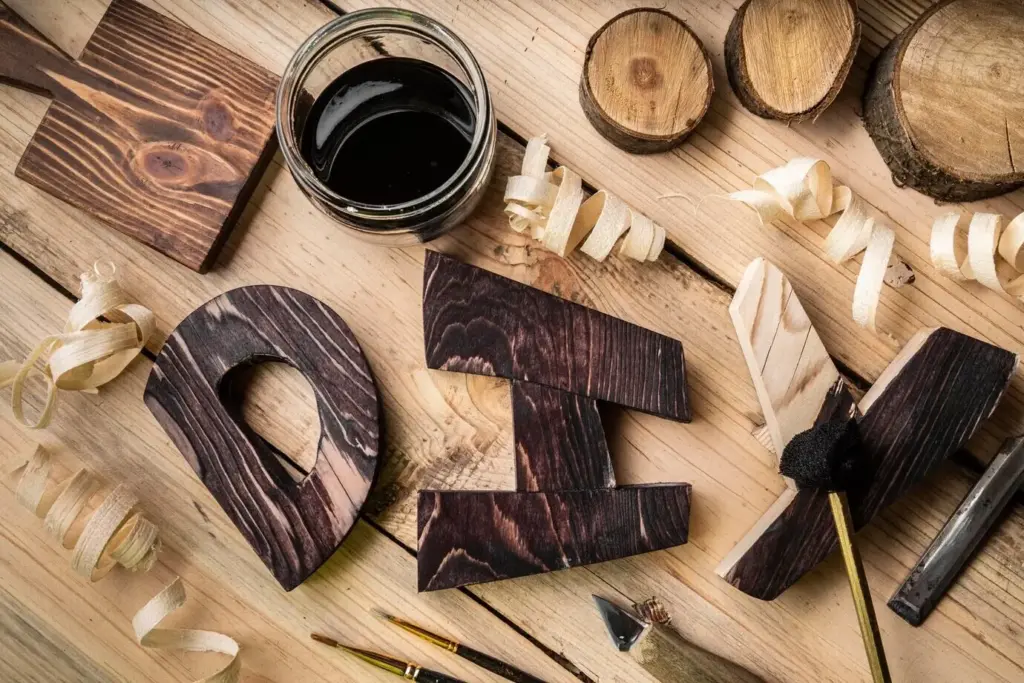
Under a larch beam darkened by centuries, a carver traces a saint’s sleeve and a chamois leap within the same block of Swiss pine. He reads tight, high-altitude growth rings like a map, choosing where patience must linger and where confidence may fly. His grandfather’s knives lie nearby, edges burnished thin as whispering. Masks for winter parades share the shelf with cradle toys, each grain line guiding the blade toward breath.

Lace on the Windowsill Snow

In Cogne, bobbins tap a rhythm older than the road outside, threads crossing over a parchment pricked by ancestors’ hands. Patterns resemble ice crystals, yet warmth gathers in each repetition, a quiet defiance of hurry. The lace-maker smiles, recalling a storm that cut electricity for days; candles steadied her focus, and the town bartered soup for lace edging. The finished collar stores that week’s weather, hospitality, and unbroken concentration.

Stone, Sand, and Lime

Engadin facades wear sgraffito like snow-shadow patterns, layers of lime plaster incised to reveal memory beneath. Masons learn local sand the way bakers learn flour, adjusting moisture by hand and breath. When frost threatens, they halt rather than hurry, trusting warmer days to cure walls properly. These surfaces age with dignity, taking on hues from sun and chimney smoke, reminding passersby that good shelter is an agreement between patience, minerals, temperature, and the enduring discipline of restraint.

The Language of Wood Grain

Swiss pine whispers resin notes that calm the room, but it punishes arrogance in the workshop. Carvers and turners test cuts along earlywood and latewood, respecting fibers laid down during lean winters. A knot becomes a mountain lake to circle, not conquer. Offcuts kindle the stove that warms hands before detail work resumes. When a spoon or crucifix leaves the bench, its polish feels like a handshake, warm and honest, welcoming use and the next repair.

Passing Skills from Heart to Hand

Inheritance is not paperwork; it is proximity. A child sits within reach of tools, absorbing silence, cautionary tales, and jokes that keep fear away when edges flash. Lessons arrive as chores, then privileges. Somewhere between sweeping and sharpening, a first true attempt appears, critiqued with kindness and unflinching eyes. These transitions matter more than certificates, because belonging to a practice means tending it through errors, boredom, breakthroughs, and the long, ordinary days no photograph ever captures.

Careful Innovation Without Losing the Thread
Survival favors curiosity, not surrender. A bellfounder tests a cleaner fuel mix without silencing the bronze’s soul. A weaver tries plant dyes revived from a herbarium instead of imported shortcuts. A cheesemaker maps airflow with sensors, then returns to brushing by feel. Technology enters like a courteous guest—invited, listened to, and sent outside if its voice grows too loud. The result is evolution that honors voices already living in material, place, and gesture.

Festivals, Trails, and Doors You Can Knock On

Across the Alps, calendars sparkle with parades, open studios, and fairs where tools sing in public. You might follow garlanded cattle down from summer pastures, then sip broth near a stall stacked with carving blanks. Another day, a lace pillow waits beside postcards and thimbles by a chapel door. Travelers are welcome when they arrive curious, ask before photographing, and give space for concentration. Leave footprints light, pay fairly, and carry stories out like lanterns.

Keeping the Economy of Care Alive

Handmade is not expensive; it is accurately priced time. Every euro or franc becomes fuel, rent, apprentice stipends, winter firewood, and the quiet margin where experimentation happens. When buyers choose fewer, better things, villages breathe easier. Repair returns money to skill instead of landfill. The reward is intimacy with objects that answer daily use gracefully, growing lovelier under fingerprints, and anchoring rooms with steadiness that fast fashion cannot imitate, let alone sustain across uncertain seasons.

Choosing One Thing, Choosing a Village

Instead of a suitcase of souvenirs, consider one heirloom bought after conversation and held with intention. That purchase travels back through supply chains named by people, not numbers: shepherds, millers, sawyers, apprentices, grandparents. It pays for sharpening stones and snow shovels, for slow months when visitors thin. You do not just own an object; you belong to its upkeep, and to the place it came from, which will now remember you kindly when bells ring again.

Repair as a Relationship

A cracked spoon, a frayed strap, a lace snag—none are endings. Bring them back where they began, and the maker will read wear patterns like a diary, strengthening stress points and celebrating honest use. Paying for repair feeds continuity and humility, teaching hands to notice before breaking. Over time, these interventions write history into surfaces, softening edges, deepening color. You inherit not just durability but a friendship with skill, renewed each time something treasured returns home wiser.

From Traveler to Patron

If a workshop changed your sense of time, consider preordering next season’s goods, sponsoring a student’s tools, or joining a local guild’s small membership. Modest, regular support anchors practices that cannot sprint without stumbling. In return, you receive updates that smell of pine dust and beeswax, invitations to witness turning points, and the satisfaction of continuity. Patronage here is not grandeur; it is companionship with makers who keep a region’s heartbeat steady through generosity and grit.
Sentolivonaritavodarizento
Privacy Overview

This website uses cookies so that we can provide you with the best user experience possible. Cookie information is stored in your browser and performs functions such as recognising you when you return to our website and helping our team to understand which sections of the website you find most interesting and useful.